A TRIDENT STORMS FIELD GUIDE
Follow the clues
in the coins
you already have.
Pocket Change, Hidden Fortune
A practical guide to selected U.S. coin errors and varieties. Learn where to look, what to record, and which details deserve a closer examination.
PDF edition Cents through dollars Linked reference sources
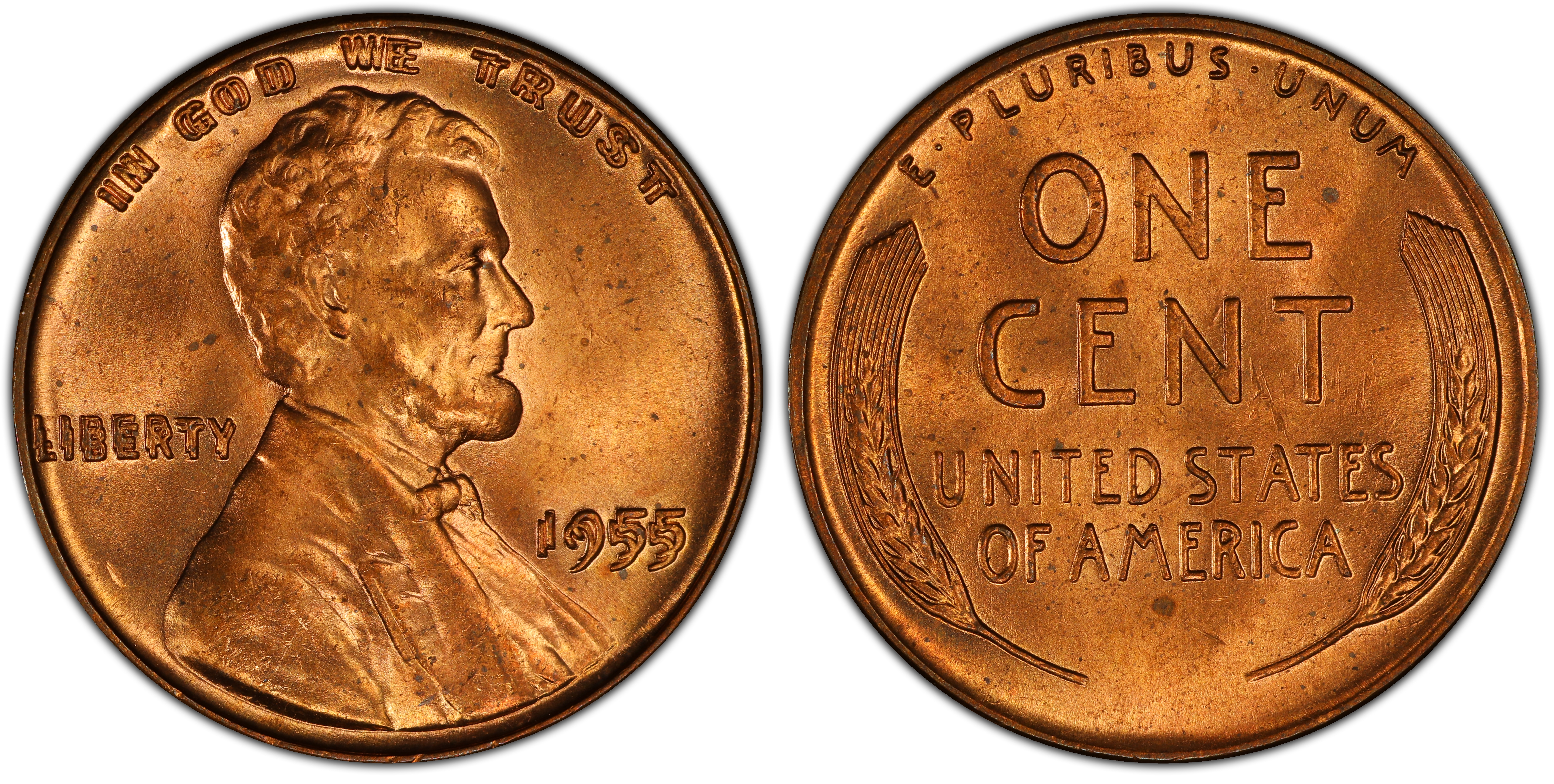
THE READER’S ADVANTAGE
See the difference.
Understand the evidence.
A doubled letter, an unusual edge, or a missing mint mark can turn an ordinary sorting session into an investigation. This guide helps you establish the correct normal issue, compare the feature that caught your eye, and prepare a useful question for further evaluation.
For curious beginners, returning collectors, and anyone opening an inherited collection, it offers a method you can bring to the worktable.
INSIDE THE GUIDE
A working reference,
denomination by denomination.
Start with one denomination. Build a watchlist you understand, then expand your search.
THE CENT
Small details.
A more careful comparison.
Explore wartime metal changes, selected doubled dies, the 1922 No D, proof-specific missing marks, and the AM reverses. Inspection tables connect the first place to look with the features that require verification.
Composition · Doubled designs · Mint marks · Reverse detailsTHE NICKEL
Read the design
and its die history.
Work through selected Buffalo and Jefferson varieties, wartime composition, doubled designs, missing-leg candidates, and the Speared Bison. Learn why wear, surface relief, and supporting features belong in the same examination.
Buffalo varieties · Jefferson details · Wartime alloyTHE DIME
Begin with the issue
you actually have.
Compare overdates, selected doubled dies, missing-mint-mark questions, and transitional-metal candidates. The chapter gives proof and circulation manufacture the attention they need before an unusual detail receives a name.
Overdates · Proof comparisons · Missing marks · MetalTHE QUARTER
Separate the named variety
from a familiar nickname.
Explore recognized doubled dies and over mint marks, Wisconsin Extra Leaf and Minnesota doubling, wrong-planchet examples, and the careful treatment of newer discovery reports.
Die varieties · State-quarter details · Wrong planchetsTHE HALF DOLLAR
Match the metal,
format, and feature.
Use the chapter’s comparisons for selected doubled dies, Accented Hair proofs, recognized No FG varieties, and documented wrong-planchet or transitional errors. Collector formats and authorized silver issues receive their own context.
Silver compositions · Proof details · Missing initialsTHE DOLLAR
Look beyond the portrait
to the complete coin.
Move from Morgan die varieties through Eisenhower and Susan B. Anthony comparisons to Sacagawea reverses, the quarter mule, and edge-lettering questions. The complete pairing, issue, and construction guide the comparison.
Morgan details · Reverse types · Mules · Edge letteringA METHOD YOU CAN USE
Bring more than
a hunch to the worktable.
The guide connects a first observation to a record you can explain, with manufacturing diagrams, inspection tables, a quick reference, and a reusable examination sheet.
- 01
Establish the normal issue
Identify the date, mint mark, composition, and likely manufacturing format.
- 02
Compare the right details
Study the exact feature and its documented reference, including what disagrees.
- 03
Record the evidence
Keep photographs, measurements, edge observations, and unresolved questions together.
- 04
Choose an informed next step
Understand the roles of further research, professional examination, grading, and comparable sales.
READ BEFORE YOU DECIDE
Open the guide.
See how it teaches.
The free sample contains genuine opening material from the finished eBook, including an introduction to the examination approach and relevant reference notes.
- A practical starting point for beginners
- Clear distinctions between observations and conclusions
- References for continuing your own study
The sample is free. The complete guide is a separate digital edition.
BEFORE YOU BEGIN
A few useful answers.
Is this suitable for a beginner?
Yes. The guide begins with coin manufacture, basic terminology, and an examination method before moving into the denomination chapters. Start with one denomination and develop a small watchlist as you learn.
What format is the eBook?
This edition is a PDF containing the text, reference tables, explanatory diagrams, source notes, and examination record. Read it with a PDF viewer. An internet connection is needed to open linked external references.
Can it authenticate or value my coin?
The guide helps you gather evidence and prepare for further evaluation. Authentication may require physical examination by an appropriate specialist or service. Its dated auction examples describe identified specimens and historical transactions; they are not current appraisals of a reader’s coin.
Which coins does it cover?
Selected U.S. errors and varieties in cents, nickels, dimes, quarters, half dollars, and dollars, including historical coins and proof-specific examples. Gold coinage, bullion, territorial coinage, and a complete catalog of every die variety are outside its scope.
How can I purchase the complete guide?
Use the purchase button below to view the product on Payhip. Review the price and delivery details there before completing your order.
POCKET CHANGE, HIDDEN FORTUNE
Make your next look
a more informed one.
The complete PDF guide by JT Henry, with denomination references, explanatory diagrams, source notes, and tools for documenting your finds.